The British judiciary allowed the “Palestine Action” group supporting the Palestinians to challenge the decision to ban it, which was taken by the Kiir Starmer government in early July.
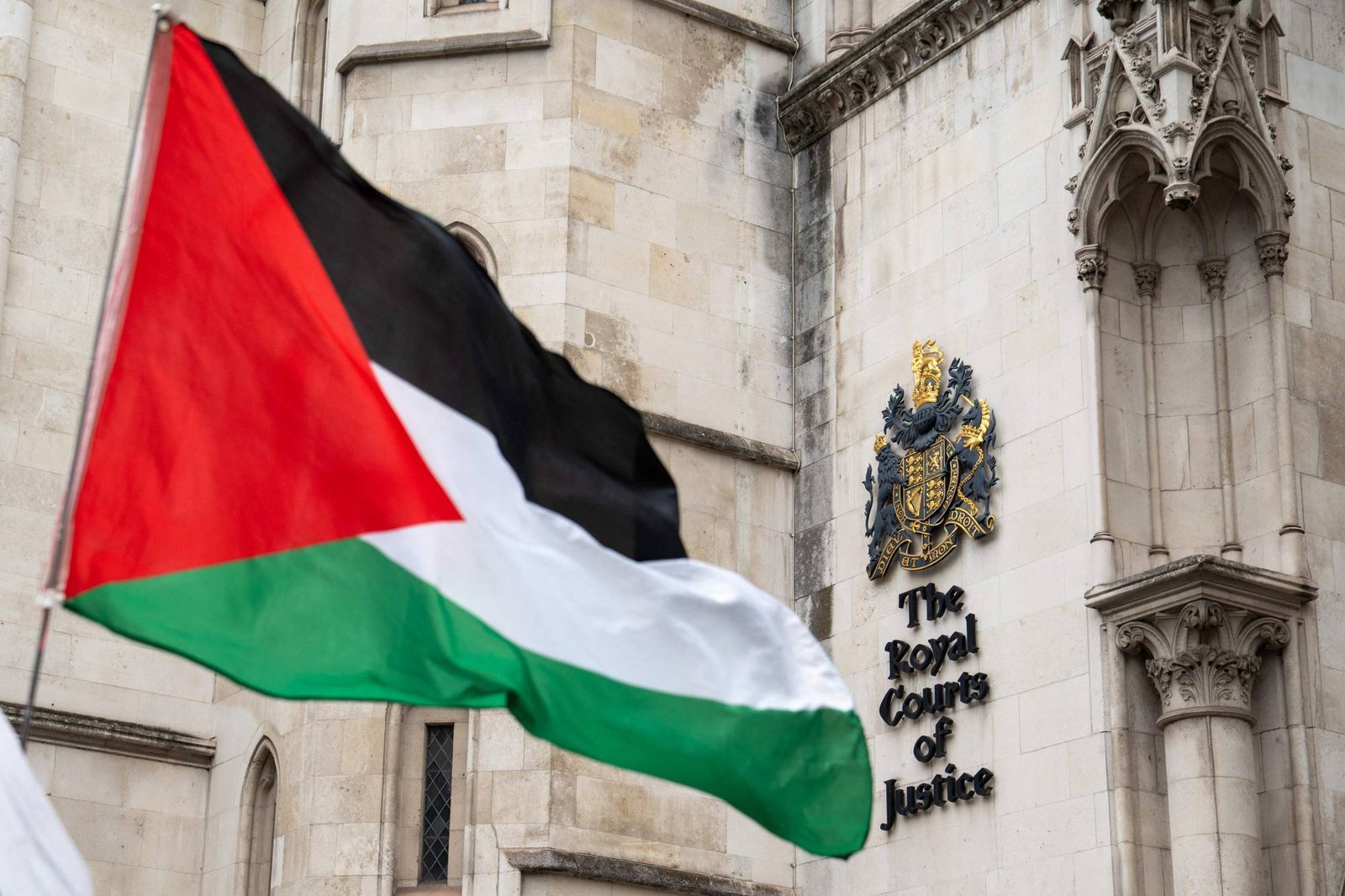
The decision to ban “Palestine Action”, which entered into force earlier in the month, was taken based on the anti -terrorism law in Britain, after activists in the movement stormed an air base in southern England, and sprayed a red coating on two planes in it, causing damage to 7 million pounds (9.55 million dollars).
4 activists in the group were deposited in pretrial detention after they were appearing in front of the elimination of the background of the incident.
And “Palestine Action” denounced the decision to ban it as a “prejudice to the freedom of expression.”
After the group’s ban, belonging to it or its support becomes a criminal act that is punished with imprisonment for a period of up to 14 years.
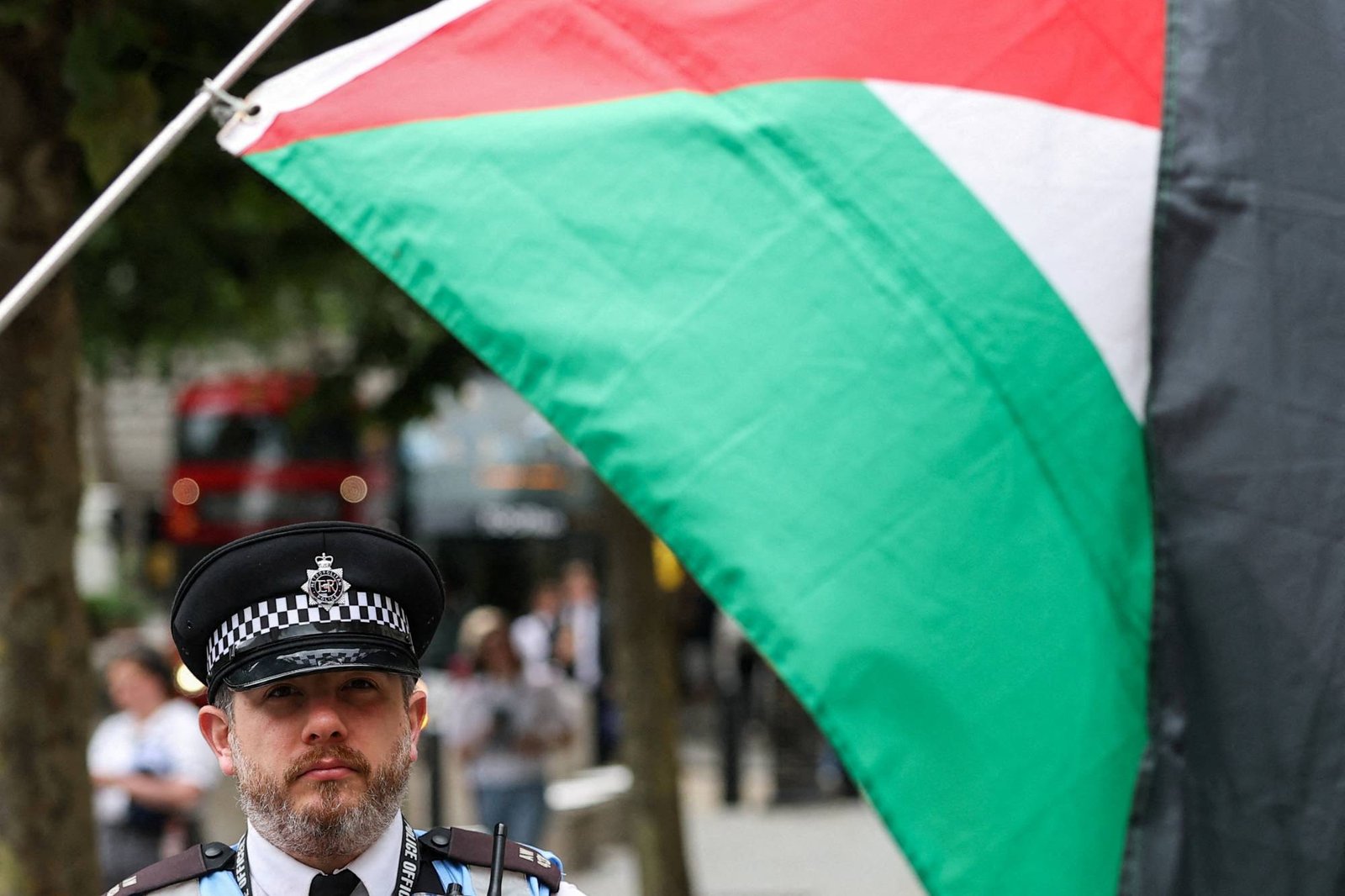
Since the embargo has entered the implementation, the British police have arrested at least 200 protesters, especially during demonstrations in support of them.
A group institution, Hoda Amouri, raised the petition to the London Supreme Court for being entrusted to appeal the British government’s decision.
On Wednesday, Judge Martin Chamberlain considered it possible to “reasonably argue” that the ban on “action Palestine” constitutes a “unequal intervention” against the complainant’s freedom of expression and freedom of gathering.
The ban on this group, which says it is “committed to an end to the global support for the system of genocide and racist chapter in Israel”, sparked severe criticism from human rights organizations.
UN experts condemned it as “simple material damages, no one is at risk, is not so dangerous to terrorism.”
And last week, the UN High Commissioner for Human Rights, Volker Turk, called on the Kiir Starmer government to abolish this ban as “unpopular”.
In 2022, activists from “Palestine Action” stormed a website of “Talis” Defense Industries in Glasgow. Last year, they stormed a branch of the Israeli weapons company “El Pet Systers” in Bristol.
Last March, they entered Golf Square as US President Donald Trump in southwestern Scotland, and they wrote on his herb, “Gaza is not for sale.”
Hoda Amouri, who contributed to the establishment of the movement in 2020, asked the Supreme Court in London to approve the full appeal in the decision to ban the movement, which was issued on the basis that it had committed or participated terrorist acts.
The movement has increasingly targeted the companies associated with Israel in Britain, and often spraying a red coating, closing the entrances to facilities or destroying equipment. Palestine Action accuses the British government of complicity in what it says is “war crimes committed by Israel in Gaza.”
Earlier this month, the Supreme Court rejected Amouri’s request to stop the ban, and after a recent uncomfortable appeal, the decision to ban the “Palestine Action” movement entered into force shortly after the midnight of the fifth of July.
The authorities have arrested dozens of people for carrying banners that are believed to support the movement since the prohibition is in force. Amuri’s lawyers say that those who express their support for the Palestinian cause are also undergoing an increased police.
However, the British Interior Minister, Evit Cooper, said that violence and criminal damage have no place in the legitimate protest, and that the activities of the “Palestine Action” movement, including storming a military base and damaging two planes, justifies the ban. Israel has repeatedly denied violations in its war on Gaza.