America used a quarter of its stock of “Thaad” missiles in the Israel and Iran war
The United States launched about a quarter of its inventory of the 12 -day “Thaad” traditional missiles during the Israel War with Iran in June, in confronting attacks at a rate that much exceeds production capacity, according to two sources familiar with the operation.
The American forces of Iranian ballistic missiles have fired more than 100 missiles from the “Thaad” defensive system, and the number may be and prayed to 150 missiles, which is a large part of America’s stock of advanced air defense missiles, according to the two sources. The United States has 7 batteries for the “Thaad” system, and two of them were used in Israel during the conflict.
The use of this large number of “Thaad” missiles during a short period of time revealed a gap in the American missile defense network, and drained a costly resource at a moment when the support of American public opinion to defend Israel has reached its lowest historical levels.
Former US defense officials and missile experts told CNN that this rapid depletion also raised concerns about the United States’ global security situation and its ability to compensate for what it uses quickly.
Last year, the United States produced only 11 new “Thad” missiles, and it is expected to receive only 12 additional missiles during the current fiscal year, according to estimates of the Ministry of Defense budget for 2026.
In response to questions related to the US stock of “Thaad” missiles and its consumption during the 12 -day conflict, Pentagon’s spokesman Kingsley Wilson said that the American army “is stronger than it was ever and has everything he needs to carry out any mission anywhere and anytime, all over the world. If you need additional evidence, look at the (midnight hammer) process and completely destroy Iran’s nuclear capabilities. ”
CNN reported that a preliminary intelligence assessment determined that the American strikes on Iranian nuclear facilities last month did not destroy the basic components of Iran’s nuclear program, and it is likely that it only returned it several months. The US administration rejected this evaluation, then the CIA later said that it had evidence that the Iranian nuclear program was “severely damaged.”
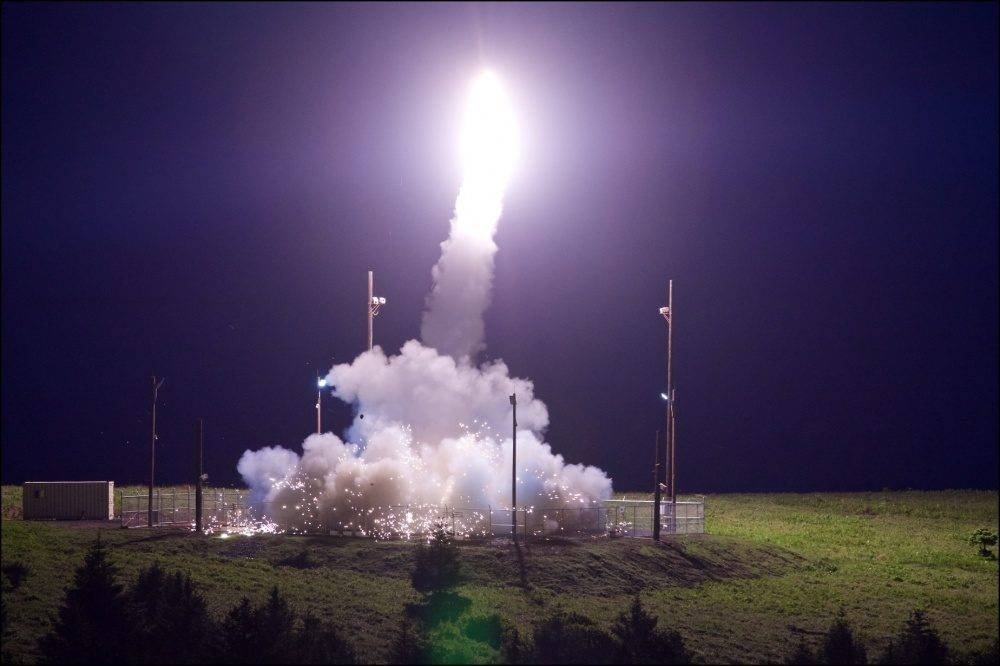
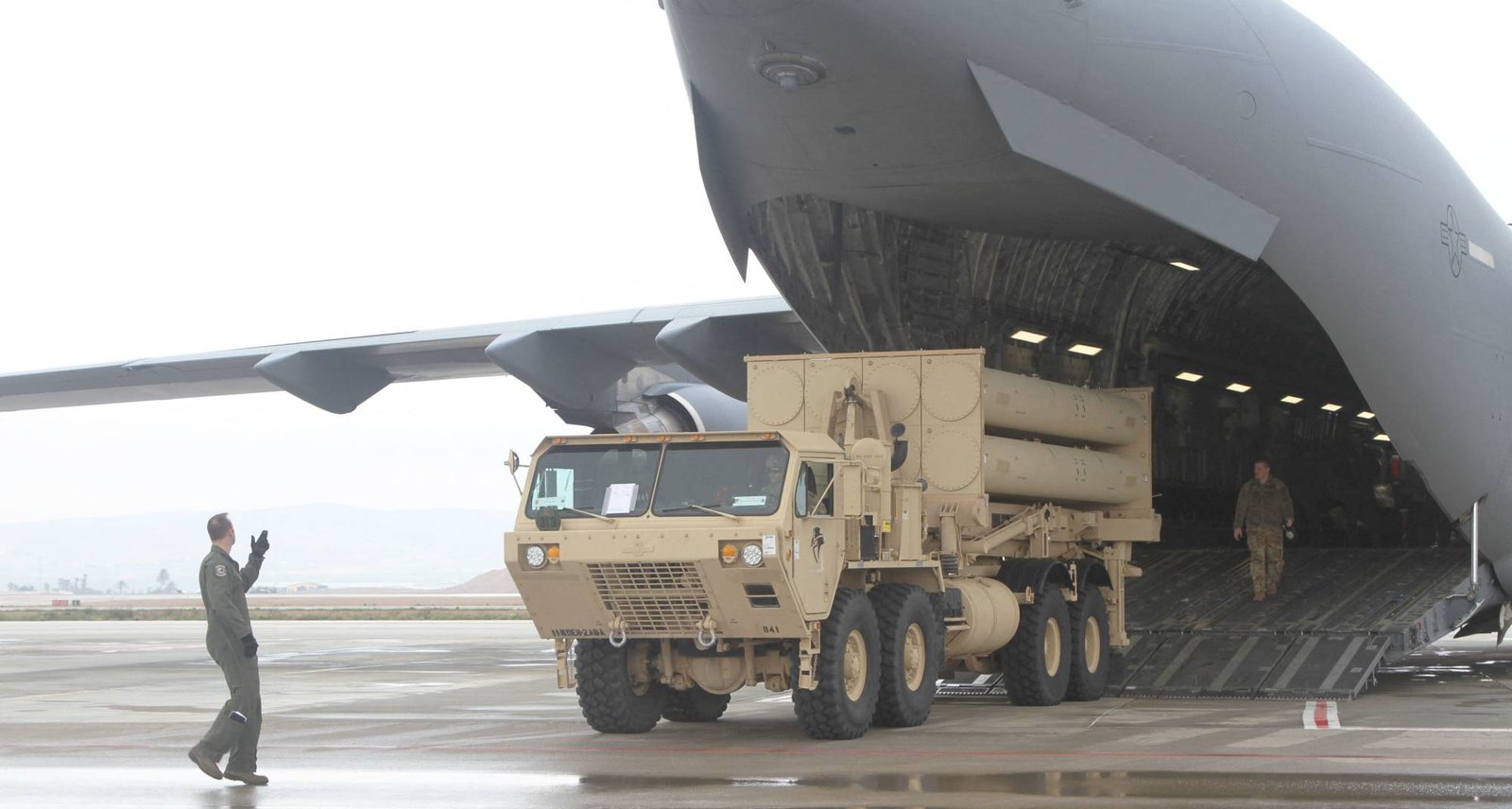
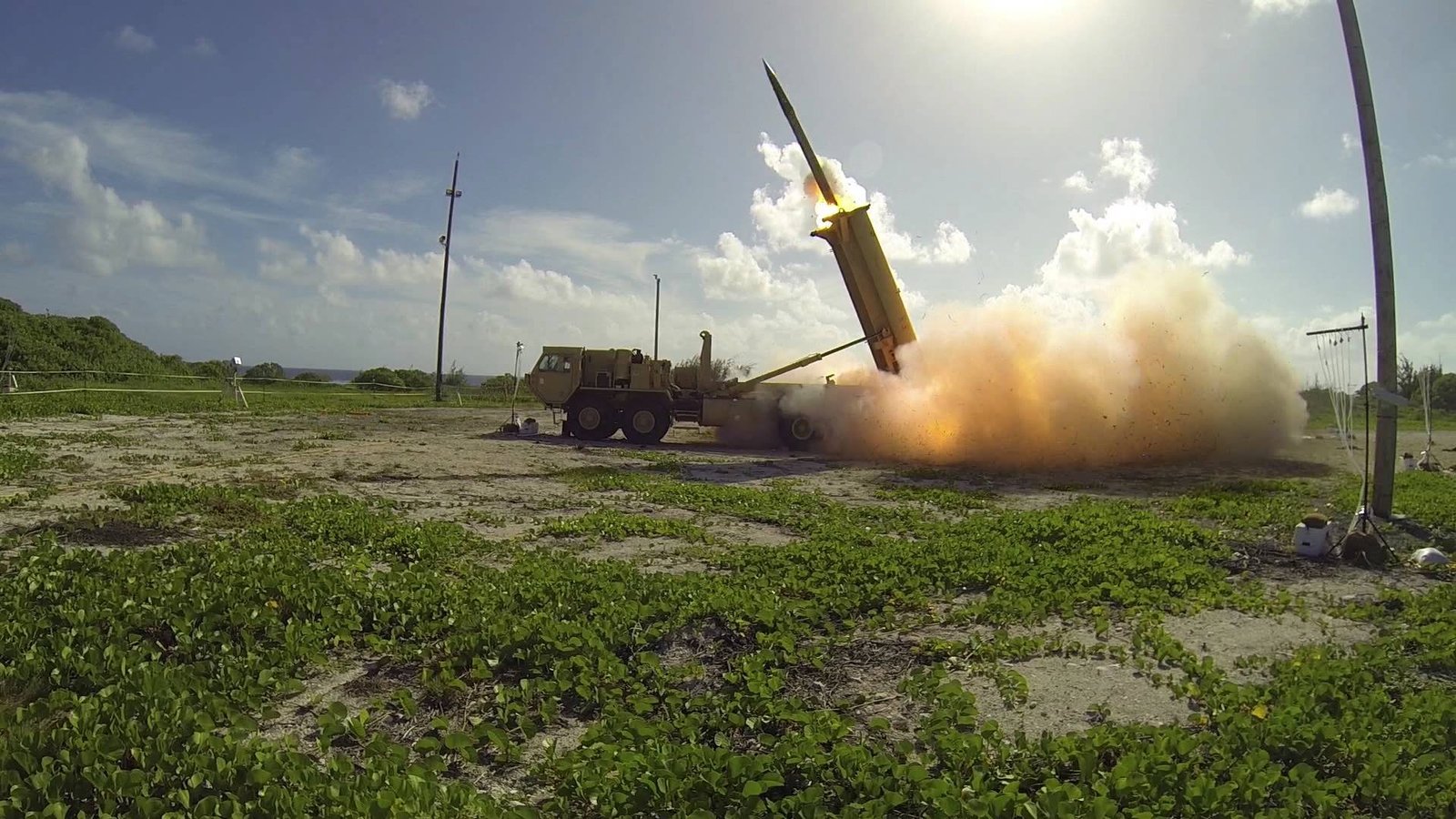
The “Thaad” system is a mobile system capable of engaging and destroying short and medium -range ballistic missiles inside and outside the atmosphere during the final stage of its path. Each battery runs 95 American soldiers, and consists of 6 launch platforms and 48 objectionable missiles. Lockheed Martin manufactures interceptor missiles, and the price of a single missile is approximately $ 12.7 million, according to the 2025 missile defense defense budget.
The United States plans to obtain 37 “Thaad” missiles next year, according to the estimates of the Ministry of Defense in the year 2026, partially funded by the last version of what US President Donald Trump calls “the big and beautiful bill.”
Experts and former defense officials warn of the need to increase supplies significantly to meet the current shortage.
“It is important to realize the extent of the commitment and the level of spending in defending Israel, as it is very large,” said a missile defense expert who continues the US government spending. Reports on the consumption of (Thad) missiles are worried. This is not something that the United States can tolerate continuously. That was a great commitment to our ally, Israel, but the ability to provide missile missiles to missile defense remains a source of concern, and the (Thad) system is a very rare resource.
A retired prominent officer in the American army, who asked not to be named, said that about 25 percent of the total “Thaad” stock was used in the war in Israel. The source added: “The Ministry of Defense has decreased levels of the war inventory of biological ammunition and is trying to increase the annual productive capacity significantly, a step that has been very late.”
Four former US defense officials explained that concern about the US objection missile stocks preceded the twelve days war with Iran, and that the problem is more severe in the stock of the most advanced systems that are a cornerstone of China’s deterrence.
One of them, a defensive official who left his position last year, said: “What I can say without entering numbers is that I was surprised by the low levels of readiness for some systems.”
“The air defense is important in all the theaters of the main operations currently,” said Mara Carlin, assisting the former US Secretary of Defense for strategy, plans and capabilities during the Biden era. There are not enough systems. There are no interceptor missiles or sufficient production, and there are not enough workers in it.
There are nine active batteries for the “Thaad” system in the world, according to the manufactured “Lockheed Martin”. The American army owns seven of them, and plans to possess an eighth battery by 2025, according to the Congress Research Department. The data available in 2019 showed that five American missile defense systems “Thaad” were stationed in bases in Texas, one in Guam, and one in South Korea; By last year, the Pentagon moved two of these batteries to the Middle East to protect Israel.
Lack of missiles and damage in Israel
While the Israeli and American air defenses dropped most of the Iranian missiles, experts, open source data and videos from the land that CNN have shown that dozens of them managed to reach the targets. Tehran’s success rate increased as the war continued, which led to some of the worst damages that Israel has witnessed for decades.
The Israeli army reported that Iran fired more than 500 ballistic missiles, and was able to intercede about 86 percent of them, as 36 Iranian missiles hit crowded areas.
The estimates of the analysis conducted by the Jewish Institute for the American National Security (Ginsa), a research institution based in Washington, DC, indicate that the “Thaad” system, along with the “Hents-2” and “Hions-3” missiles, shot down 201 from 574 missiles launched by Iran, of which 57 hit populated areas. The report believes that the American missile defense system “Thaad” was responsible for nearly half of all the objection operations, indicating that Israel’s inventory of Hions’ interceptor missiles was insufficient.
“After consuming a large part of their available interceptor missiles, the United States and Israel face an urgent need to renew stocks and increase production rates sharply,” the author of the report wrote, and it was estimated that it would take from three to eight years to renew stocks at current production rates.
According to the data collected by “Ginsa”, the objection rates decreased with the continuation of the war. In the first week of the war, only 8 percent of Iranian missiles penetrated the air defenses, and this percentage doubled to 16 percent in the second half of the conflict, and eventually reached its peak at 25 percent on the last day of the war before the ceasefire.
Analysts say there are several possible reasons for this trend, including the Iranian shift in focusing from military targets to populated urban areas, where the objection operations are less powerful. Iran also launched more sophisticated missiles with the progress of the war.
“Iran is increasingly used more advanced systems. Like newer missiles equipped with multiple warheads or fake missiles, which may individually cause less damage but may deceive and drain air defense systems and saturate them.
Dicch also indicates that Israel may have intentionally eased its rate of objection.
She explained: “The Israeli air defense policy may have evolved over time to accommodate the prolonged clash with Iran. What seems to be a decline in the effectiveness of the objection may actually reflect a deliberate shift in the strategy, not a technological deficit.
Missile defense analysts say they have seen clear signs of depletion of air defense. “The presence of a battery (Thad) in the first place indicates that the Israelis do not have a storehouse to intercept long -range missiles,” said Sam Lerer, a researcher of the James Martin Center for Nuclear Proliferation Studies.
Lear released an analysis of the interceptor missiles that appeared in a series of videos on social media, and Lear counted 39 “Thaad” missiles out of 82 objectionable missiles that appeared in the videos. More than six experts unanimously agreed that this number is very conservative. Based on accounts about the statements available to the public about batteries, re -downloading the interim missiles, and the number of Iranian ballistic missiles launched, experts believe that the American army launched at least 80 protruding missiles of the “Thaad”.
“The war that lasted 12 days in June witnessed the first great use of the” Thaad “interceptor missiles,” said Timor Kadishiv, a prominent researcher at the Institute of Peace Research and Security Policy at the University of Hamburg.
He continued, “Israel has achieved a relative success in confronting, with the help of the United States, for unacceptable Iranian missiles, but at the expense of exhausting available interceptor missiles.”
The problem that the United States faces is particularly acute in the area of the Indian and calm surroundings, as China is trying to keep the US Navy at a distance, according to experts.
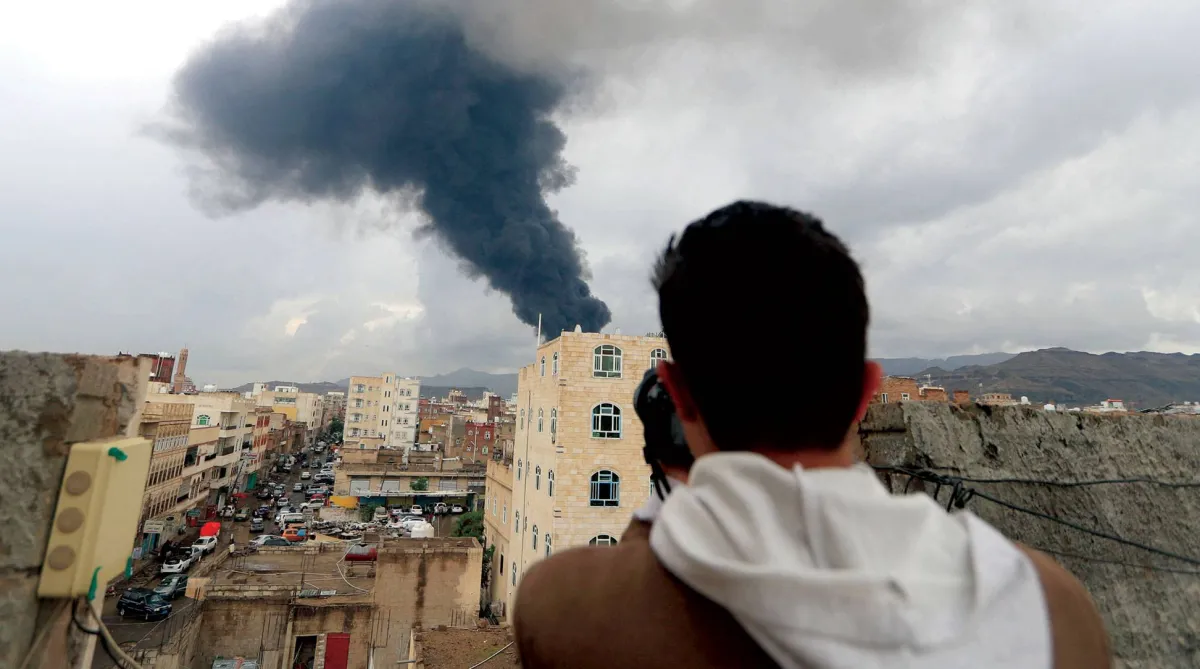
“From a different military point of view, the Chinese are undoubtedly the winners, as almost the last two years in the Middle East witnessed the use of large quantities of American military capabilities that will find the American defense industrial base a great difficulty in compensating it,” said Sidharm Koshal, a first researcher at the Royal Institute of United Services. Former defense officials said that the decline in defensive capabilities in the area of the Indian and calm surroundings was a growing concern for the former US administration, as it used the American stock to fight the “Houthis” in Yemen.
“If a conflict in the Pacific, for example, this will put tremendous pressure on our missile capabilities and the ability of our army to obtain the required ammunition.”