After long months of suffering, displacement and destruction, the ancient “Omdurman Market” began to restore something from its health … The sellers returned to their sites, and the steps of shoppers returned to intersect in the old alleys, but behind this active movement hide silent suffering: “high prices, poverty, and life that changed forever.”
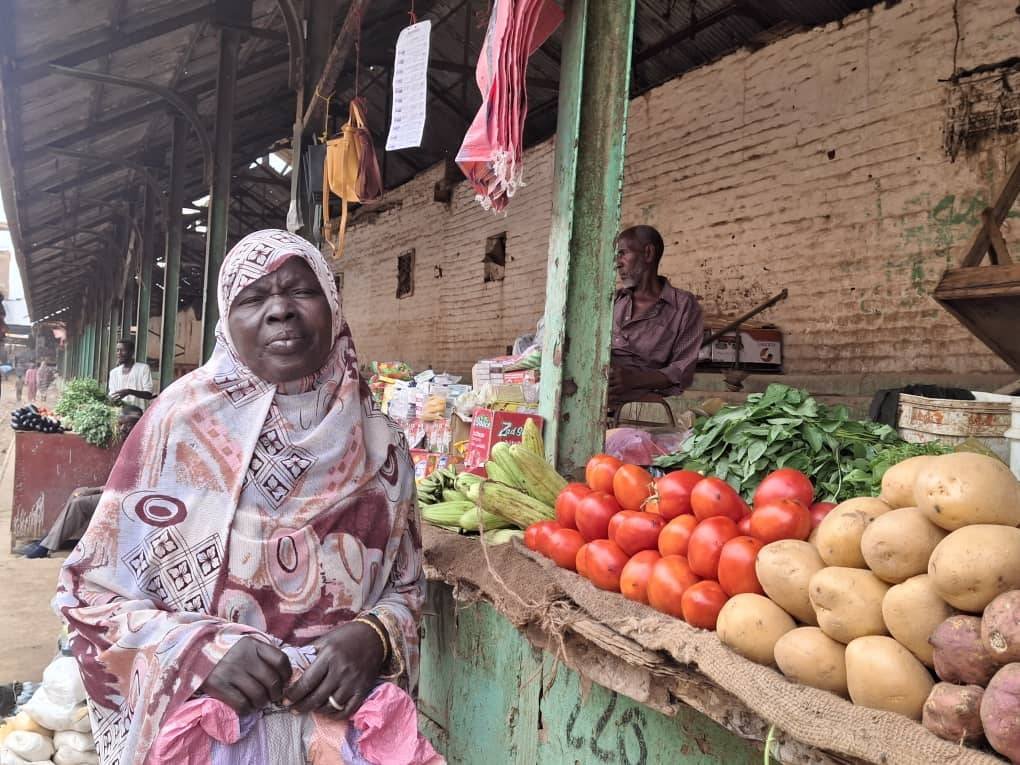
Hamad Al -Amin, a vegetable seller in the market since 1976, was absent from his two -year store due to the war. But he returned to his simplicity as if nothing had been … He says: “This is my profession … I spent my youth and my old age, and I do not know others.”
The seventieth man keeps his customers one by one, smiles to them all, puts vegetables for them in a transparent plastic bag, and asks them about their conditions before asking about the money.
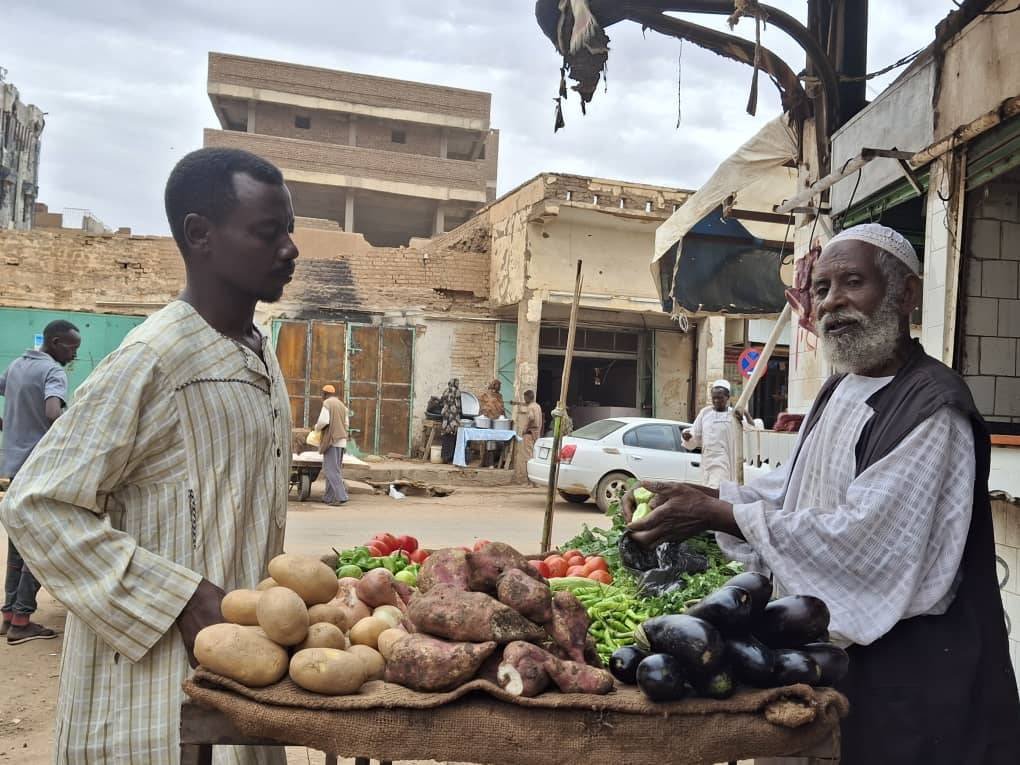
Some of them, as he says to Asharq Al -Awsat, have nothing, but it gives them vegetables for free or record their debts until the end of the month.
The market operates from the morning until after the sunset, despite the absence of electricity; Because the movement of people increased after the fighting forces left Khartoum, and the city began to breathe.
Meat with “divided”
In meat stores, Fakhr Al -Din Muhammad says that the demand for it is moving, but the purchase in small quantities, and adds: “Most people buy a quarter of a kilo. Some of them, even, buy less; Half a quarter (price), and we call it meat (a deadly call – the lion of Cole).
According to Fakhr al -Din’s statement to Asharq Al -Awsat, “the price of a kilo of lamb is 32 thousand pounds, Al -Qura 20 thousand, and the liver 24 thousand”, at a time when the price of the purchase of one US dollar exceeded the three thousand Sudanese barrier. Despite this, Fakhr al -Din says: “We sell in any amount. We know the circumstances of people. ”
“Prices have increased due to deportation costs,” says Mutawakkil Al -Bishri, who is also a vegetable seller for 20 years. The price of a kilo of tomatoes is 7 thousand pounds »… So; Citizens buy what is recognized as “authority”, which is “a small small amount of basic vegetables for 4 thousand pounds. No one can buy in kilos. ”
Al -Bushra draws to the citizens ’demand to buy their needs, and he says:“ There is a great demand from citizens who returned after a long journey of displacement in search of stability, but the purchase is limited; Because of the economic conditions. ”
During a tour of the newspaper in the “Omdurman Market”, an active movement in its parts monitored, with a severe crowding in transportation situations, especially in daylight hours and the exit of the employees.
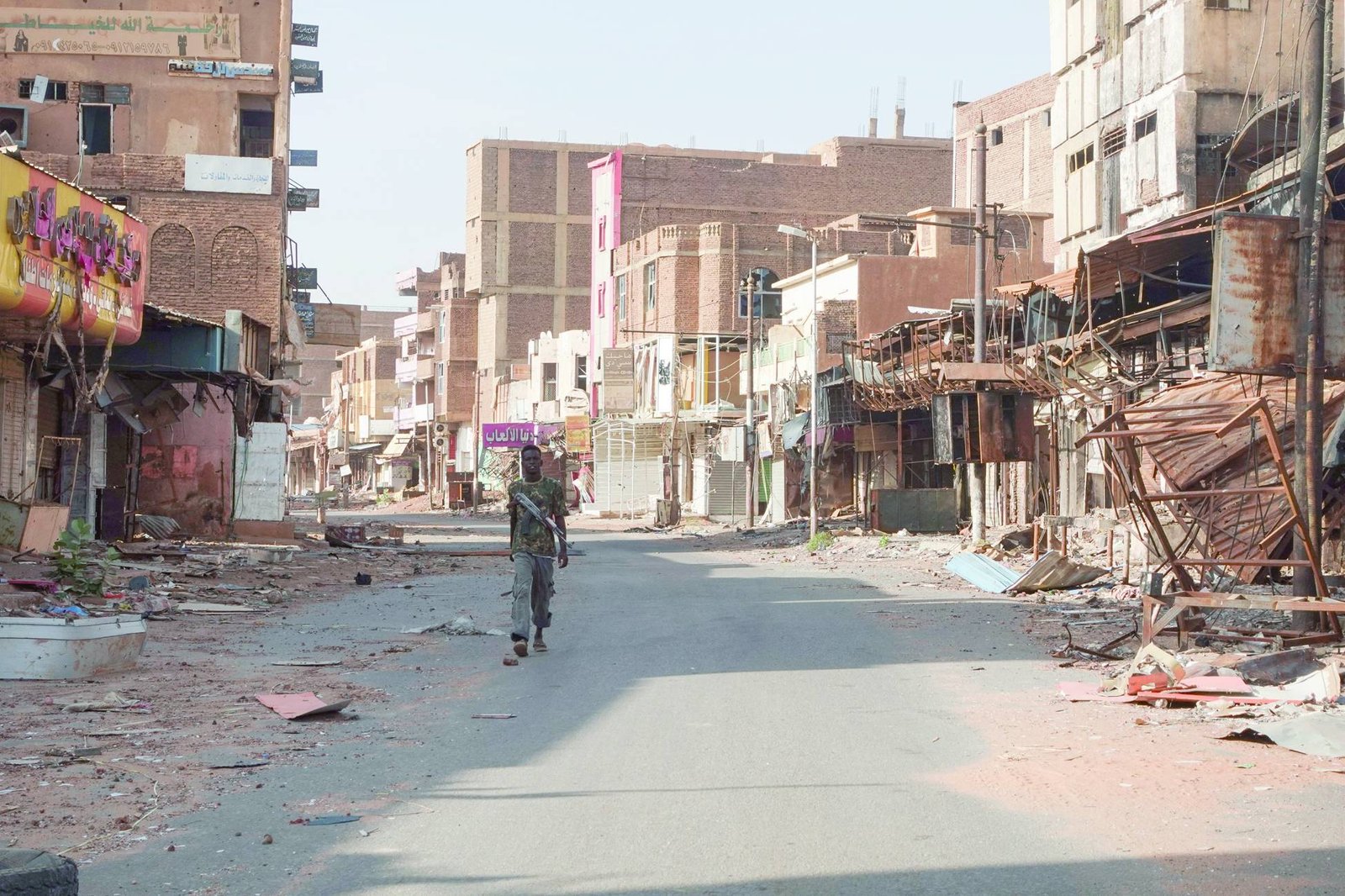
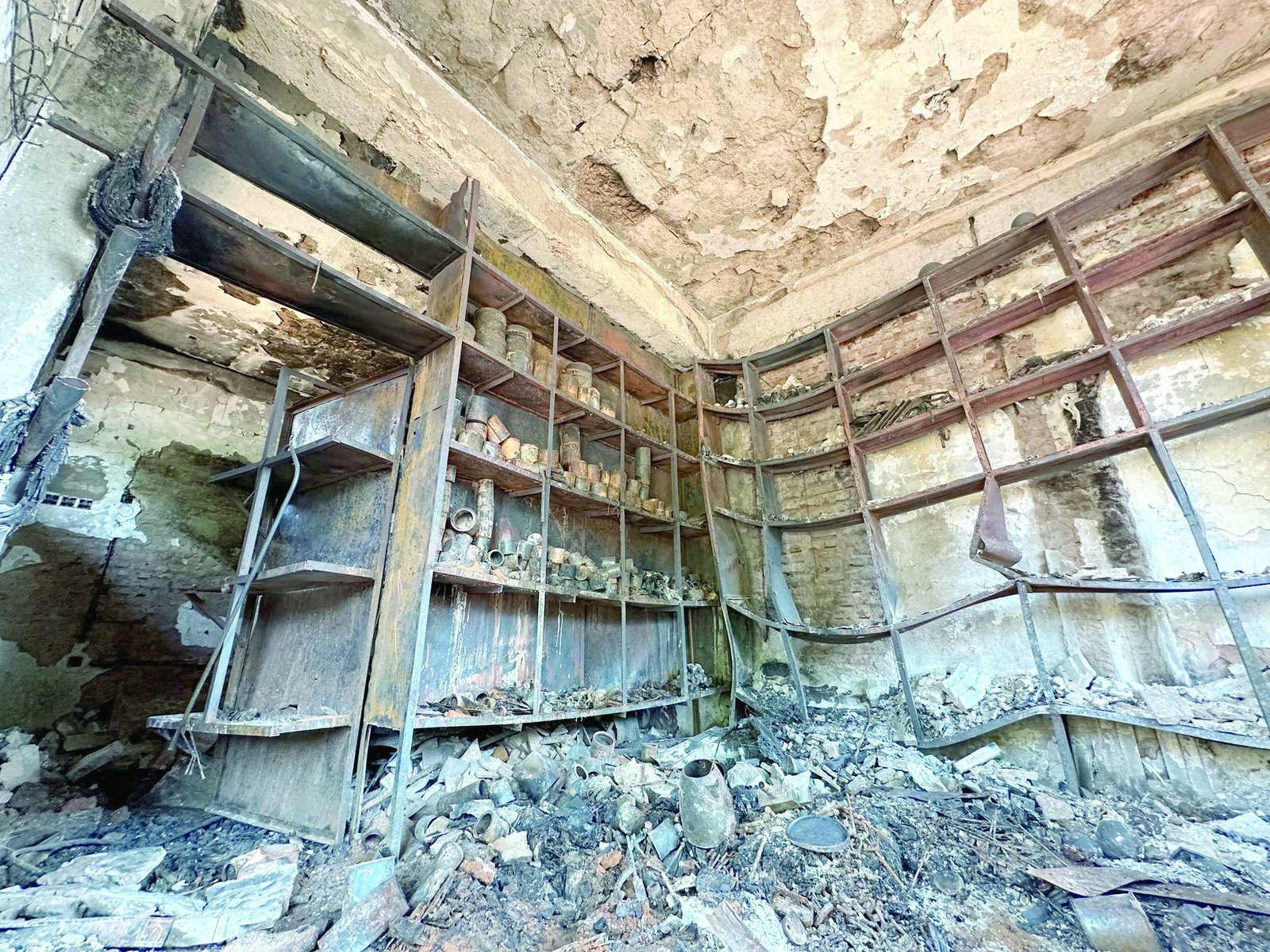
Merchants assert that the return of transportation helped to revive the market, but the aspects of the war are still present … «broken shops, fire traces, and waste piles that block the roads, and some merchants clean their surroundings themselves.
Under the incendiary sun, dozens of workers sit on the ground, wait for a job opportunity in drilling or construction, talking about their suffering during the war, their displacement to the safe states, and their residence in shelter camps. But they hope to find a “workforce” that allows them to buy food for their families, even for one day.
Women do not buy goods
Women are the most prominent presence in the market, but not necessarily as purchases; Some of them, such as Fatima Babiker, were promoted from displacement to find their homes destroyed and stolen. Fatima told Asharq Al -Awsat: “I did not even find a spoon in my home, now we sit on the ground in the Arish of the burlap mobile (Rakbah), and I am looking for any work on the market until I buy a bed for us to sleep on.”
But according to Mohamed Ahmed, the merchant in the market, the prices have witnessed remarkable increases recently; As the price of the sugar cell phone increased 50 kilograms from 126 thousand pounds to 176 thousand, while the price of the lentil mobile increased by 25 kilograms from 58 thousand pounds to 68 thousand, and the wheat flour is weighing 50 kilograms from 38 thousand pounds to 45 thousand.
In confirmation of the cruelty of life, Mohamed Ahmed tells the newspaper: “It coincides with these increases, the scarcity of cash liquidity, and its lack of, with salaries that lost its value by the deterioration of the exchange rate of the pound, so many are forced to borrow, or rely on flour and sugar only.”
Life died again in the “Omdurman Market”, but people did not return as they were.