Although military operations in the Sudanese capital Khartoum stopped, life is no longer normal, especially in the press sector, and paper newspapers did not resume printing, after it had stopped issuing, since the outbreak of the first bullet of the war between the army and the “Rapid Support Forces” in mid -April 2023.
Most of the headquarters of Sudanese paper newspapers are located in the ancient Khartoum (most of which gather in a street called custom on Al -Jarid Street), and it is located between the streets of Ali Abdullah in the west, and Al -Mak Nimr Street in the west, a strategic area located near the General Command of the Army and the Republican Palace, so it is one of the most affected areas of the grinding battles that took place there for many months.
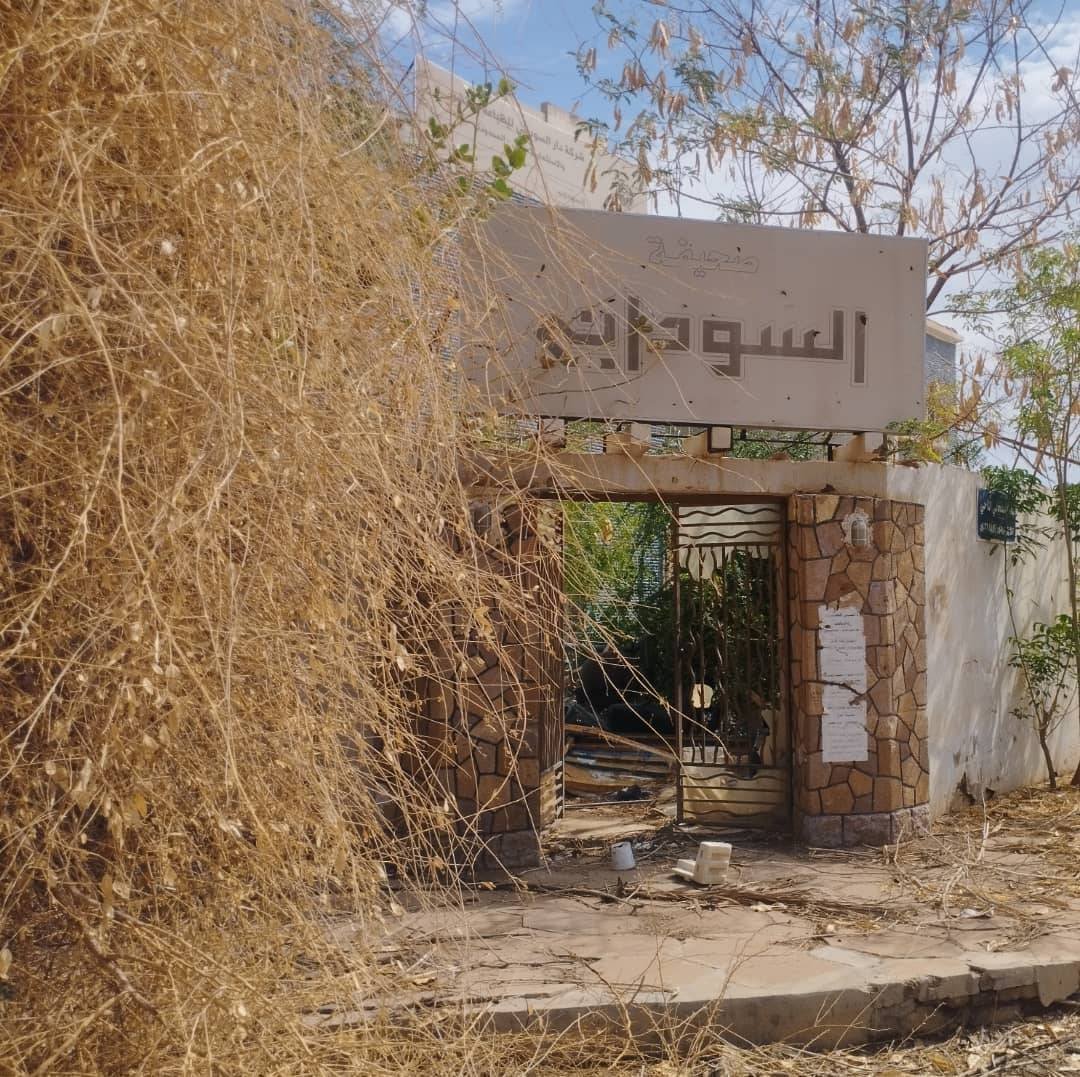
Some buildings in the region were severely destroyed, and others were severely damaged, and the remainder of them surrounded by hills of rubble and waste, and burned combat vehicles, which confirms to the viewer that the region was a battlefield.
Sites for concentration
Field sources say that the “Rapid Support Forces” used some newspaper buildings, sites of concentration and housing, and left behind dirt bars, and with shattered cars residues whose effects are still similar to now.
“Newspaper Street” in the middle of Khartoum, is the main center of the headquarters and role of paper newspapers, along with dozens of media institutions, and took its name from them, so it was a meeting place for journalists, activists and readers, in which investigations were written that won prizes, and humanitarian and professional initiatives that contributed to the development of media work in the country. But the street is now completely Kho on its thrones, and even the trees that the journalists used to sit under their shadow, sip the cups of coffee, and exchanged the “journalistic gossip” dried up, and turned into dry structures, expected to uproot them soon, after losing their shadow and fruit.
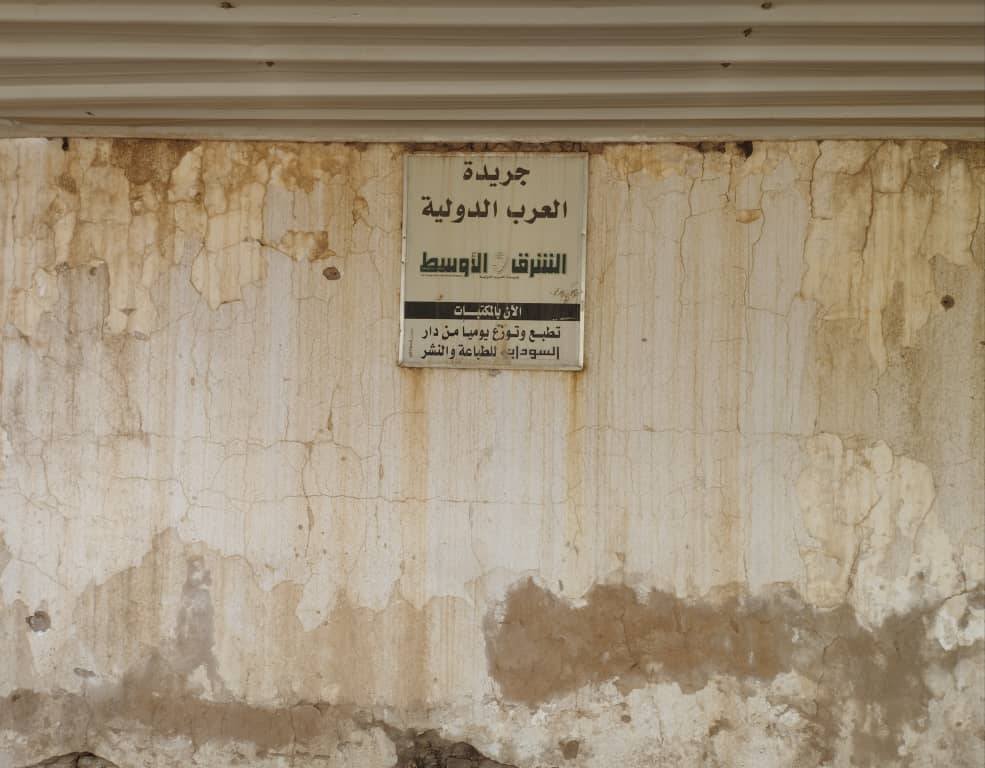
The headquarters and role of newspapers can be reached via Al -Mak Nimr Street, which is the closest road to Al -Jarid Street, but the road, and on the cleanliness of it, the stagnant water and waste makes the path through it “fraught” with health risks. And when the street enters, you find some doors of the role of newspapers wide open, and when you enter into it, the effects of the destruction show you clearly: “Walls are penetrated with bullets, burned editors, scattered papers covered the soil, their white color, along with the remains of broken wooden furniture”, and squares on which dry wild herbs grew, and the offices may hide more fragrance.
Despite the large extent of the destruction in the role, some of the newspaper banners are still hanging in their places.
Journalists victims
According to the Sudanese Journalists Syndicate, the legitimate representative of them, the war of the war witnessed the killing of 31 journalists and media, some of them with systematic assassinations, or as a result of being subjected to the indiscriminate shelling that afflicted them directly. The union stated in previous data that 239 journalists and journalists were arrested and detention, while dozens were beaten, pursued and threatened, bringing the number of those who were subjected to documented violations to 556 journalists.
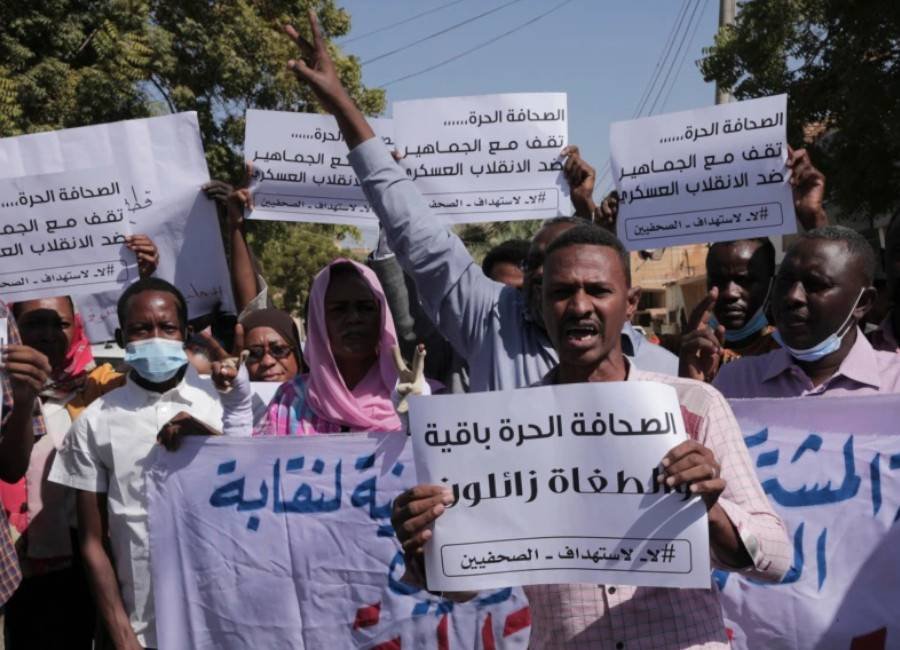
According to the union, more than 500 journalists and journalists have resorted out of the country since the outbreak of the war, and they face legal challenges and multiple living pressures.
The Journalists Syndicate confirms that the war caused a almost complete collapse of the journalistic work environment, and more than a thousand journalists have become outside the work circle, especially in the independent sector, while those working in official media institutions, some of them receive partial salaries, or are referred to forced retirement without settling their rights.