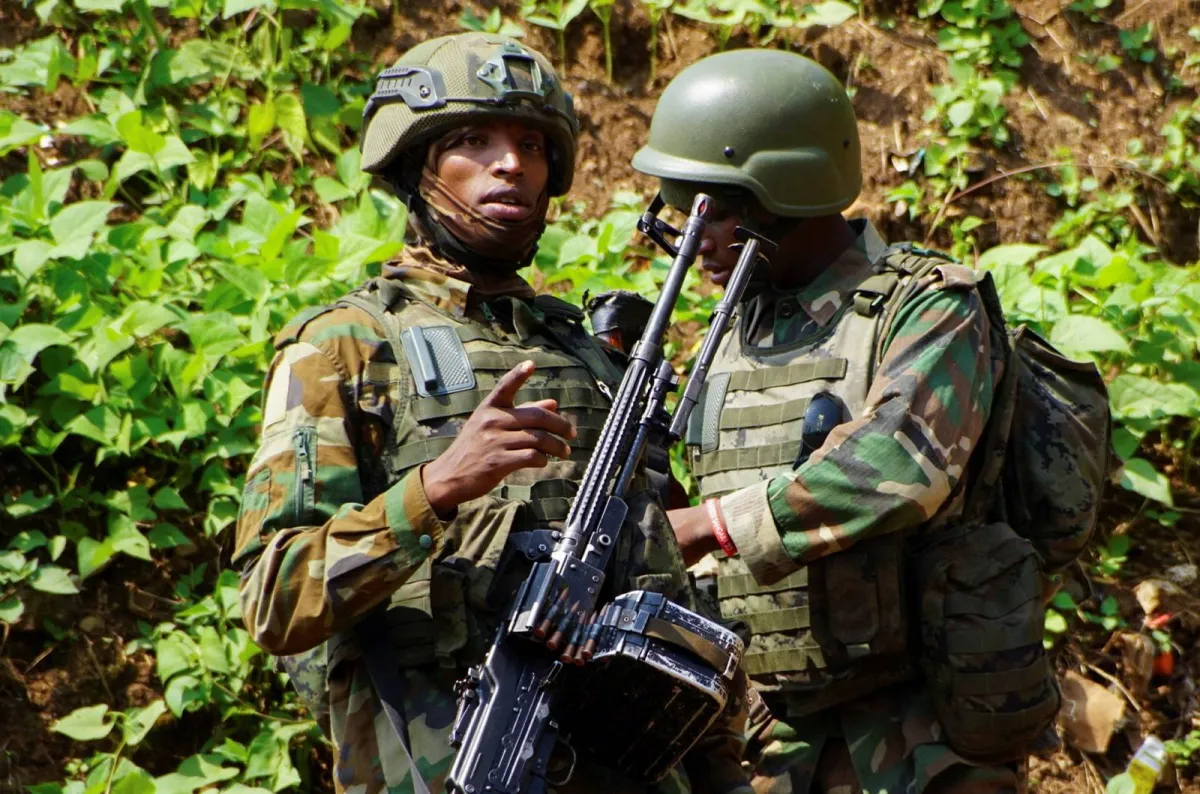
The Algerian citizen, since Sunday, has become vulnerable to imprisonment in the event of intentionally not reporting the existence of a parish on the national territory, belonging to a “hostile” classified state, and he was aware of this, according to a law regulating the transition from the state of peace to the state of war.
Algeria adopted a new law on “public mobilization”, which came into effect after its publication in the Official Gazette on Sunday, July 27, 2025. This law defines public mobilization as “a transformation from the status of peace to the war.”
The law states that public mobilization is a “set of measures to be taken to ensure the highest levels of effectiveness in the transfer of the armed forces, state structures, national institutions, and the national economy, from the state of peace to the state of war, and harnessing national capabilities to serve the war effort.”
The war effort defines as “mobilizing all – or part of the capabilities, human resources, material, economic and financial means of the state, and adapting industrial production to the needs of the armed forces.”

The law also states that the government that it initiated and approved by Parliament “is not a declaration of the implementation of the mobilization; Rather, it is an organizational step aimed at legal immunization and national readiness. ” In other words: the state has placed a legal and studied base to activate the mobilization, if necessary.
According to the same legal text, public mobilization is declared by decree from the President of the Republic, after a meeting of the Council of Ministers, in the event of an imminent threat to constitutional institutions, and the risk of the country’s independence or the integrity of its territory, and if it is exposed to actual or imminent aggression.
General mobilization organization
The organization of general mobilization depends on a set of measures prepared in the time of peace, which are permanently implemented when activating the packing. It is based on 8 basic axes: activating the organizational legislative and regulatory framework for public mobilization, establishing mechanisms assigned to public mobilization activities, preparing public mobilization plans, testing the effectiveness of these plans and updating them regularly, forming general mobilization precautions, harnessing people, property and services to serve the war effort, coordination between all concerned authorities, and educating civil society and citizens.
The law also shows that the Ministry of Foreign Affairs is charged with “educating Algerians residing abroad in their role in public mobilization, in the context of their commitment to defending the country.”
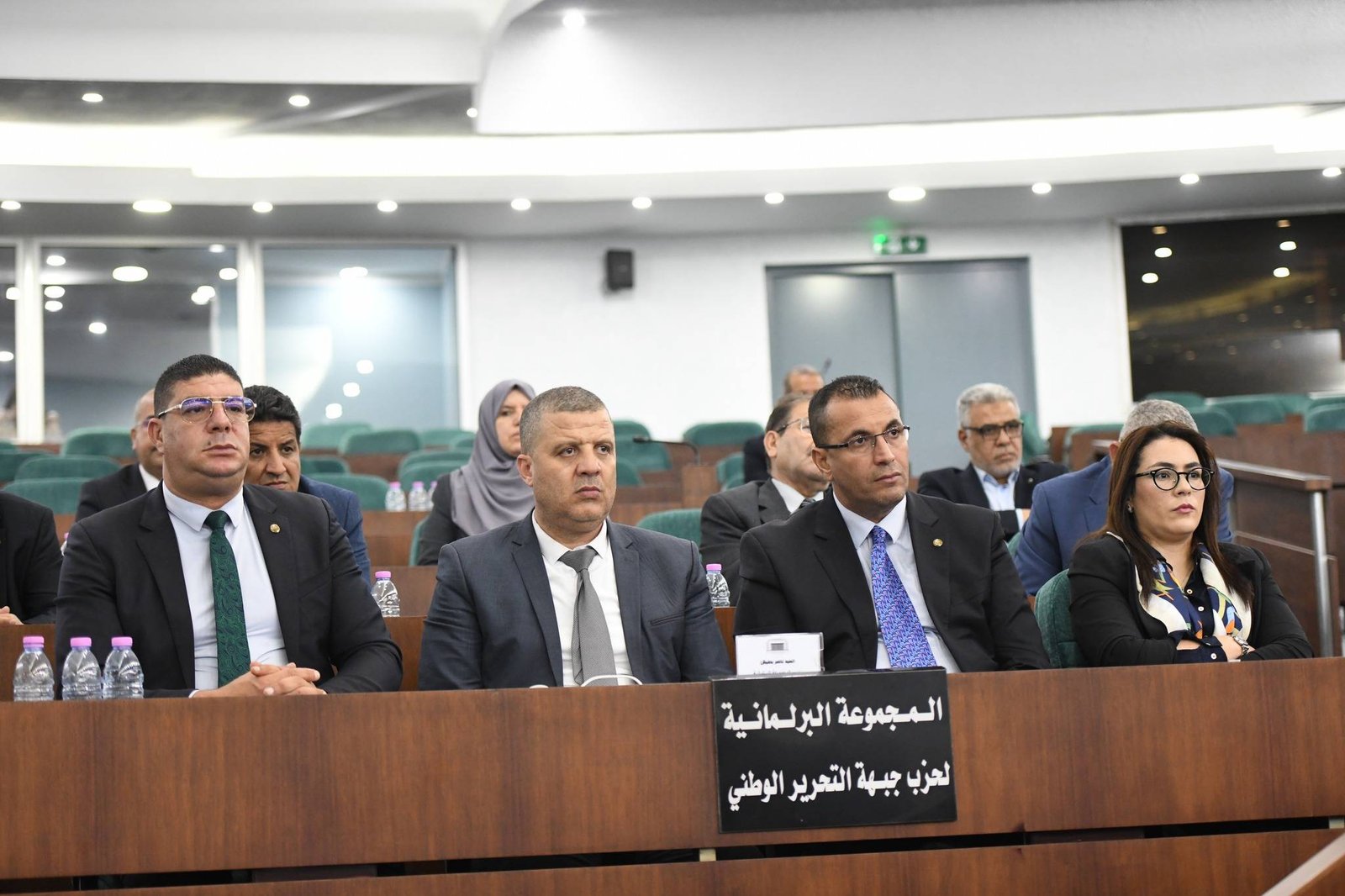
How to activate the state of war after the ladder period?
“Article 33” of the law shows the details of the practical implementation of public mobilization, and it includes: converting the army from the status of peace to the state of war, suspending the demobilization of the military from service, summoning reserve personnel, taking the ministries of the state with appropriate measures, implementing the provisions of popular defense, harnessing people, means and property, suspending employees ’retirement in sensitive positions, and following the Ministry of Defense, in coordination with other ministries, to run the joint stock methods in the effort Harbi.
In the event that public mobilization by the President of the Republic is announced, every Algerian citizen is obligated by the following: the immediate response to the calls of summons or retrieval to service, immediate compliance with popular defense measures, compliance with the orders of harnessing (people, property, and services), adherence to the instructions of the relevant authorities associated with the state of public mobilization, and refrain from publishing or exchanging any information that may affect public mobilization or affect negatively In its implementation; Especially through modern means of communication.
Among the most controversial articles of the law: “Article 57”, which says: “imprisonment is punished from 6 months to two years and a fine of 60 thousand dinars (about 460 dollars) to 200 thousand dinars (840 dollars), or with one of these two penalties, everyone who intentionally refrains from communicating the competent security services, with the presence of each parish from the state or hostile countries, in the Algerian region, and knowing that.”
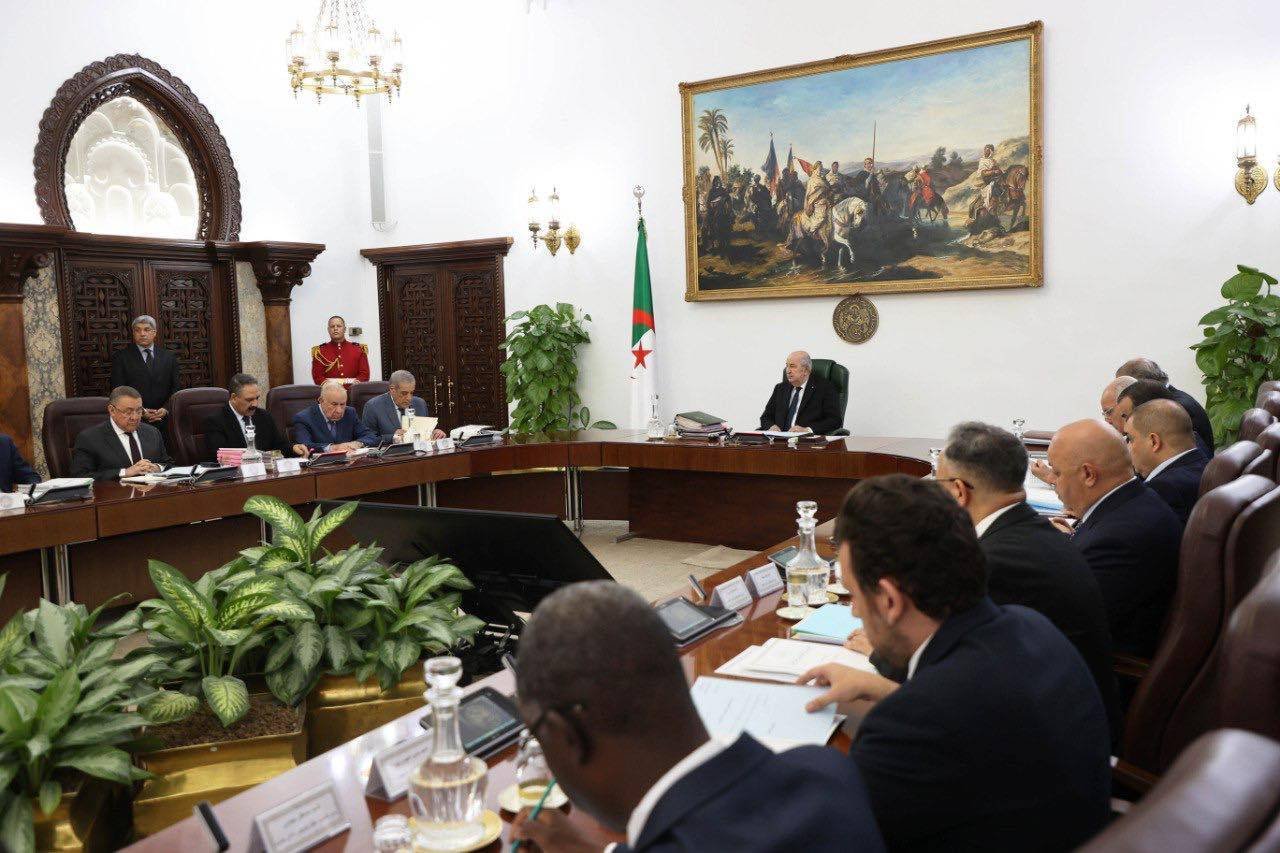
In the absence of determining what is meant by the “hostile state” in the legal text, the field is left open to interpretation.
The public mobilization law came in a regional context characterized by the escalation of security and diplomatic tensions on several fronts. The southern border witnessed the accident of the shooting down of a Malian state plane within the Algerian airspace at the beginning of last April, which caused a severe diplomatic crisis with the coast countries; Especially Mali and Niger. The transitional presidency in Bamako said that the overthrow of the Algerian Air Force: “It is a declaration of war on one side.”
On the western side, relations with Morocco are still frozen since the decision of Algeria to cut diplomatic relations in 2021, due to the deep differences over the Western Sahara conflict, in addition to Algerian accusations against Morocco of “incitement and destabilization of internal stability by supporting separatist movements.” This chronic tension increases the instability in the Maghreb.
On the international level, the relationship with France in turn is witnessing continuous tension, due to the support provided by Paris to the Moroccan -Jewish ruling plan in July 2024, which fell into a sharp dispute with its previous colonial, along with the outstanding files related to historical memory and French colonialism in Algeria.
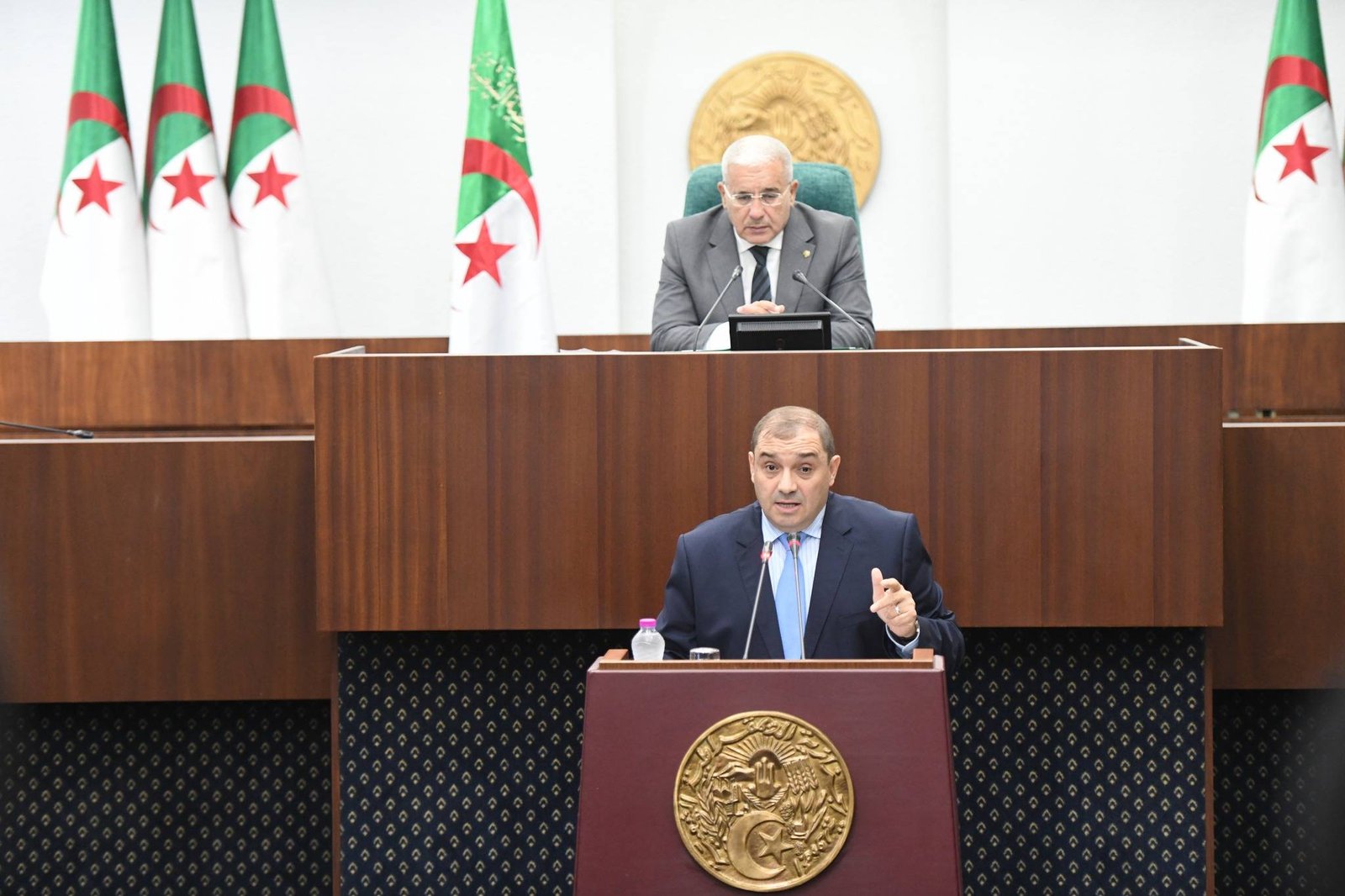
While the parties loyal to the policies of President Abdel Majid Taboun expressed their support for the announcement of the preparation for the General Mobilization Law, the opposition “Union for Change” party came out with a different position. In a statement issued at the end of last April, the party called for “opening a wide national debate about the project, bringing the authorities with the various living forces in the country, from political parties and national figures, as well as civil society and representatives of the Algerian community abroad,” stressing that the matter is “related to the fate of the country and the future of its generations.”
The party saw that the public mobilization project is “an exceptional and rare measure, which exceeds its legal nature, as a sovereign and political decision with distinction”, which requires, according to the statement: “The launch of a parallel political initiative that is in line with the size and gravity of the decision.”