The former deputy governor of the Bank of Japan, Hiroshi Nakasu, said that the dollar will retain the dominance of a major global currency, but the “cracks” that appear in its position will push investors to continue to diversify their investments in other currencies.
Regarding the monetary policy of Japan, Nakasu said that the Bank of Japan is likely to resume raising interest rates as soon as the uncertainty about the impact of American customs duties has decreased on the economy.
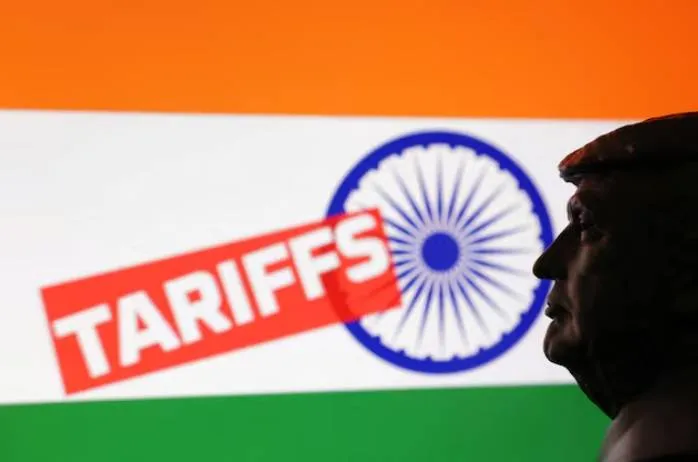
The global economy faces a growing risk of disintegration due to the policies of US President Donald Trump, which seems to be motivated by the realization of globalization that has harmed the United States more than it has benefited, according to Nakasu, who maintains close contact with local and international policy makers.
In an interview with “Reuters”, Nakasu said: “We are in this regard at a turning point, as the United States is trying to replace the global economic system, which is based on free trade and pluralism, with a new system that better serves its national interests.”
Nakasu added that the dominance of the US dollar will not be defeated anytime soon, as “there is no other currency at this stage that can replace the US dollar,” adding that the Federal Reserve (the US Central Bank) will be ready to provide funding in dollars in times of market pressure.
However, he said: «What we witnessed in April (April) shortly after (liberation day), is the appearance of cracks in the strong dollar, which is an indication that some investors have transformed part of their investment portfolios into other currencies … This trend may continue to diversify in the long run.
As Chairman of the Market Operations Committee at the Bank of International Settlements, Nakasu participated in establishing a dollar exchange line to address the liquidity crisis that followed the collapse of “Lehman Brothers” in 2008.
Trump’s announcement imposed comprehensive customs duties on April 2, which he described as “Liberation Day”, led to a massive flow of money from American assets, in a move that some analysts considered as erosion of the market confidence in dollars. The markets have regained some calm as Trump calm his trade war, including signing a trade agreement with Japan this month, which led to a reduction in customs duties on cars.
In light of the continuation of the uncertainty, it is likely that the “Bank of Japan” is likely to postpone the raising interest rates at the present time to study the damage to the Japanese economy due to the American customs duties and the slowdown in global growth, according to Nakaso, who added: “But once the uncertainty is clear enough so that (the Bank of Japan) can restore confidence in that the path of the economy and inflation will agree with its expectations He will return to his path towards raising the following interest rates. ”
Nakasu explained that there are risks of high inflation, as companies have become more keen to raise wages and pass the costs through price increases. He continued: «The prices of food products that people buy frequently increase at a rate of mainly faster than the main inflation rates. This involves the risk of overcoming inflation. ”
Nakasu added that even with another interest rates, the monetary conditions in Japan will remain lenient; The modified borrowing costs, depending on inflation, are still negative. He said: “The monetary policy in Japan must be vigilant towards the risks of high prices, so that it does not fail to knee.”
And Banassu is an experienced banker in the financial markets, where he held the position of Deputy Governor of the Central Bank of Japan from 2013 to 2018, and he currently holds the position of head of the Japanese Daewwa Institute for Research.