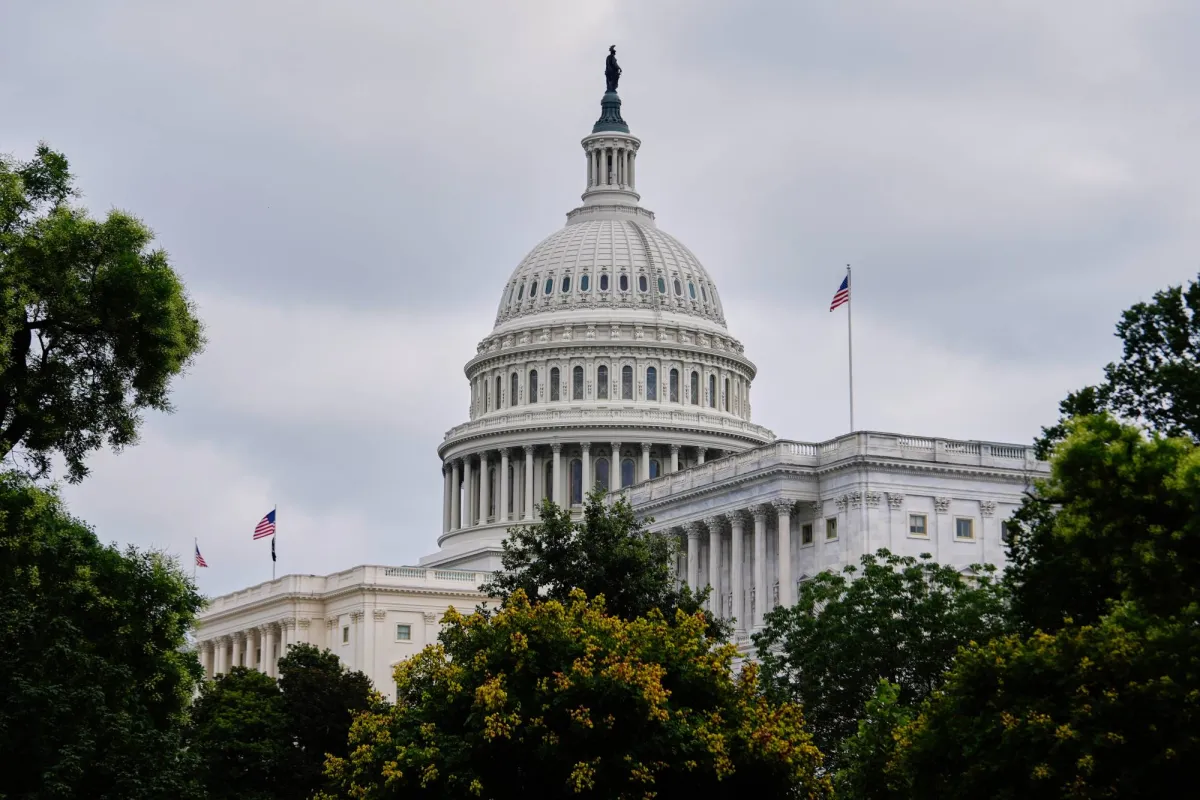
Senior officials of the main trade partners of the United States rushed to Washington in a desperate attempt to conclude commercial deals in the last moments with President Donald Trump, less than 24 hours before the deadline he set to impose the highest levels of customs duties.
These moves come amid strong warnings from Trump that it will not back down from the new and comprehensive customs duties system in which countries that do not reach an agreement by the deadline set on August 1.
Intensive conversations with Canada, Mexico and India
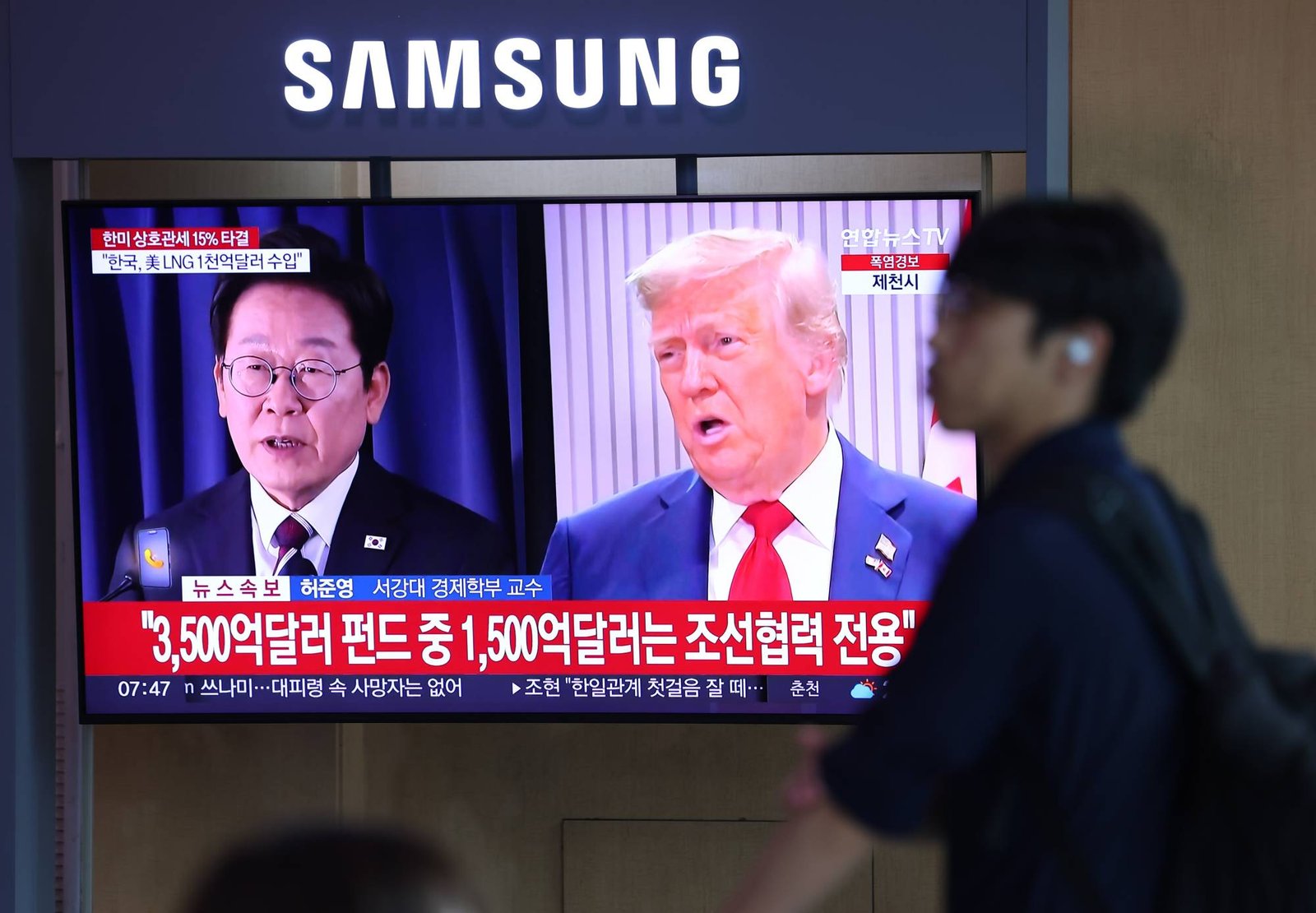
Delegations were sent from Canada and Mexico, two of the United States, and extensive talks are currently being held with Trump administration officials. Meanwhile, Trump announced the progress of talks with major commercial partners, confirming that an agreement was reached with South Korea on Wednesday evening, noting that he will hold talks in the last moments with India, just hours after announcing that customs duties were imposed by 25 percent on its goods, according to the Financial Times.
Despite Trump’s threat to impose customs duties on India, a source familiar with the negotiations reported that New Delhi is close to reaching an agreement, despite the departure of its senior negotiators, Washington.
For his part, Canadian Prime Minister Mark Carney expressed reservations about the progress of his country’s talks with the Trump administration, noting that the negotiations are “complicated, comprehensive and constructive”, and that “it is not possible to not be completed by the first of August.”
The role of Lootnick and Trump’s rejection of the proposed deals
Foreign diplomats have spent long hours in recent weeks in negotiating with the Minister of Commerce, Howard Lottenic, and the United States’ commercial representative, Jimson Ghrir. Although one of the diplomats described Lootnick as a “pivotal” in securing any deal, many of them said that he warned them that all the final decisions have the responsibility of Trump.
Sources familiar with the commercial talks revealed that Trump rejected on more than one event possible deals suggested to him by Lootnick and other assistants, and demanded them to make more concessions to the United States. The President has personally interfered in many deals, including joining a call with the Indian Minister of Trade and Lietenic with the progress of negotiations, according to the British newspaper.
Markets ignore the trade war and Wall Street fears
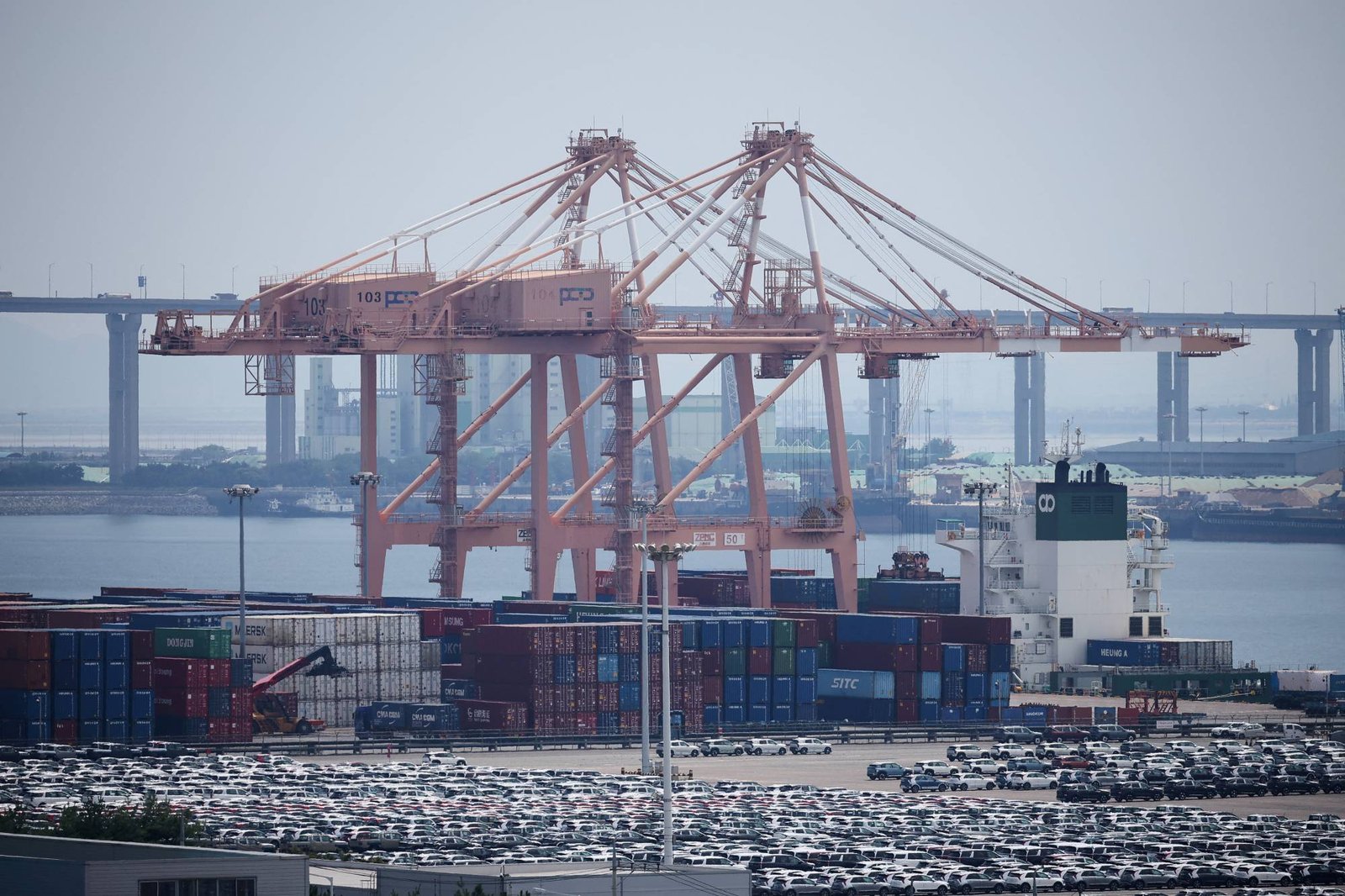
These intensive diplomatic efforts come at a time when the American markets are largely ignored by Trump’s trade war. The Standard & Poor’s index has risen to record levels, while the dollar has reached its highest level since May, where traders are betting that the president will retract the imposition of severe customs duties enough to fear investors.
However, some banks and investors in Wall Street are still concerned that the markets are self -satisfied. “Morgan Stanley” warned her customers in a memo, saying: “The deadline came and went, and the customs duties rose … but economic data and markets did not deteriorate. Therefore, it is tempting to abandon the idea that American commercial policy will move the markets. Resist this temptation. ”
Fear dates and continuous threats
Current diplomatic efforts are the culmination of the six months of trouble in American trade relations, which were characterized by hostile discourse and the threats of customs duties from Trump, which were often followed by declines and concessions.
In front of the trading partners of the United States who have not been able to reach an agreement until now until 12:01 am EST on Friday to reach a deal, otherwise they will face the re -imposition of Trump for the acute customs recognition that was announced in April, but was suspended after days of severe disturbances in the market.
After threatening foreign capitals of customs duties to extract political concessions, the president has since made the mutual customs duties in the cornerstone of his aggressive commercial agenda. Those customs duties, which were imposed on “Liberation Day” on April, reached 50 percent for most of the United States trading partners. Trump has stated that he wanted to eliminate these fees on the trade deficit with foreign exporters.
Although Trump promised 90 deals in 90 days of his previous stop for mutual customs recognition, negotiations were often arduous, as the main commercial partners sought to protect biomedics, and some negotiators felt confused due to the conflicting messages of management.
The complexities and mechanisms of customs duties
A major exemption for Mexico and Canada, one of the three largest commercial partners for the United States, was provided to goods that are compatible with the 2020 free trade agreement with the United States. However, they were also among the countries that Trump threatened with higher customs duties in a series of messages published online in recent weeks.
Commercial partners have also sought to understand or remove the new customs duties mechanism – and they were confused about the drawings that may be returned or imposed, and those that may differ from those that have already been announced. Trump will have to issue executive orders before the deadline Thursday evening to impose any fees that are different from those set in April.
In the United Kingdom last week, the president also raised the possibility of comprehensive customs duties ranging between 15 and 20 percent on countries that do not have a new agreement by August 1.
“You cannot sit and conclude 200 deals,” Trump said in Scotland, where he revealed his trade agreement with the European Union. Messages have been sent to many countries that define new tariff rates, or have agreed to new fees, but the administration has not yet issued any new legal documents to implement its threats. Trump has indicated that he can send more messages to countries that define other tariff rates.